Understanding Sports Broadcasting
What is Sports Broadcasting?
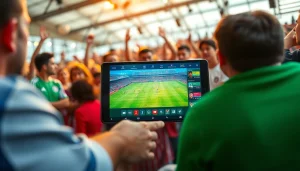
Sports broadcasting refers to the delivery of live sports events and related content to audiences through various media platforms, including television, radio, and digital streaming. This industry not only entertains fans but also informs them about their favorite teams and athletes. The significance of Sports Broadcasting has grown over the years, becoming a crucial element of sports culture, while providing advertisers with lucrative opportunities to reach vast audiences.
Key Roles in Sports Broadcasting
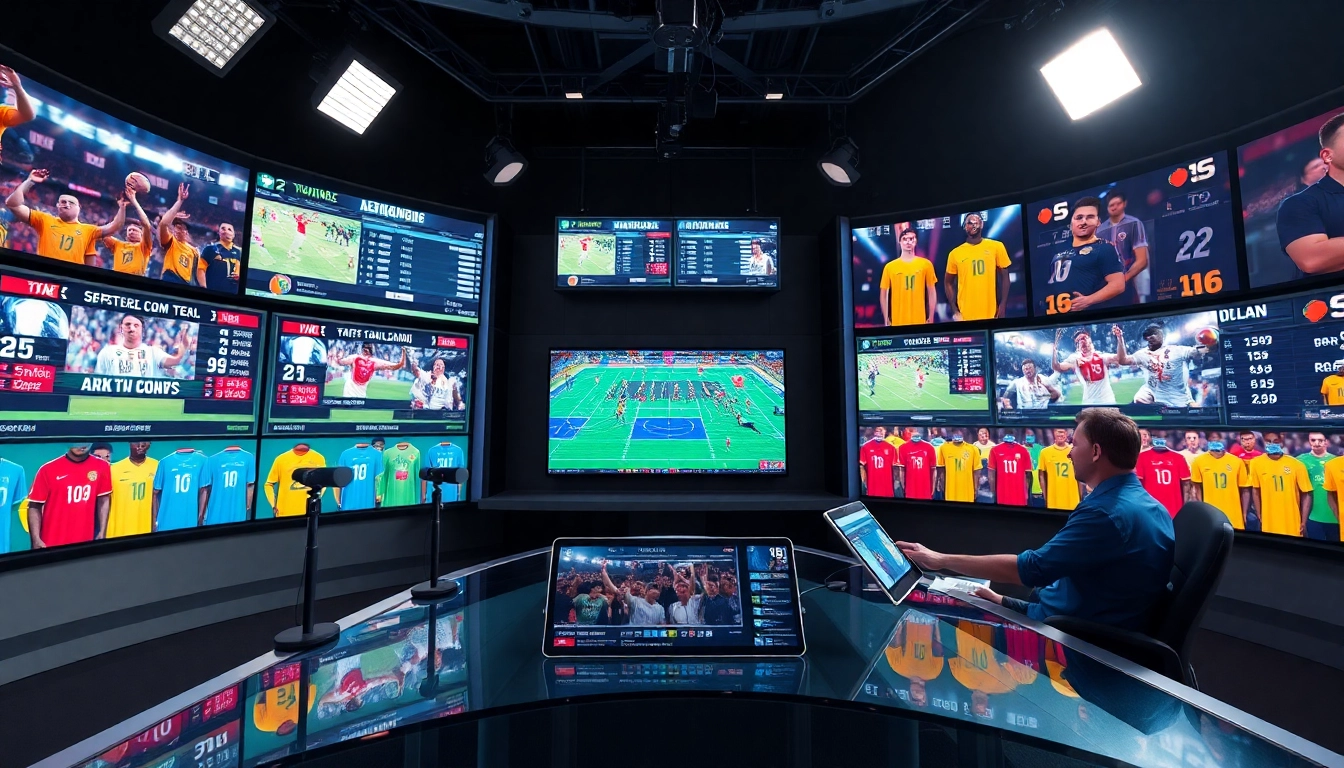
The landscape of sports broadcasting is multifaceted, comprising a variety of roles that facilitate the seamless delivery of content to viewers. Key roles include:
- Commentators: These individuals provide play-by-play coverage, adding excitement and context to live events while engaging the audience.
- Producers: Responsible for the overall production, they coordinate camera angles, transitions, and content flow to ensure a professional presentation.
- Analysts: Experts who offer insights, statistics, and in-depth analysis to enhance viewers’ understanding of the game.
- Technicians: They handle the technical equipment, ensuring high-quality sound and visual delivery throughout the broadcast.
- Social Media Managers: They promote content online, engage with the audience, and create a digital presence for the broadcasting team.
The Evolution of Sports Broadcasting
Sports broadcasting has undergone a significant transformation since its inception. Initially, sports events were broadcast via radio waves, which allowed audiences to follow live games from their homes. The landmark transition to television in the mid-20th century brought sports into living rooms, revolutionizing viewership patterns. With the advent of the internet, online streaming services emerged, enabling fans to watch their favorite events on various devices. The integration of mobile technology has further changed the dynamics, allowing fans to engage with sports content anytime and anywhere.
Essential Equipment for Sports Broadcasting
Cameras and Streaming Technologies
The backbone of sports broadcasting lies in high-quality cameras and advanced streaming technologies. Multi-camera setups capture different angles of a live event, ensuring viewers do not miss any important moments. Technology like 4K and 8K resolution cameras provides unparalleled clarity, enhancing viewer experiences. Additionally, streaming technologies such as high-bandwidth internet and content delivery networks (CDNs) play critical roles in ensuring seamless delivery of the broadcast without interruptions, regardless of the platform being used.
Microphones and Audio Devices
Audio clarity is crucial in sports broadcasting. Various microphone types, such as shotgun and lavalier microphones, ensure that commentator voices are captured clearly, while ambient sounds add realism to the viewing experience. The use of digital audio mixers allows for the seamless integration of commentary, crowd noise, and other audio elements to create an immersive atmosphere for the audience.
Software for Live Broadcasting
As the technology landscape advances, so do the software solutions for live sports broadcasting. Programs like OBS Studio and Wirecast enable broadcasters to manage live feeds, add graphics, and switch between different camera angles smoothly. These software tools often integrate with social media platforms, allowing broadcasters to engage with audiences in real-time, thus enhancing viewer interaction and engagement.
Best Practices in Sports Broadcasting
Engaging Your Audience
One of the paramount challenges in sports broadcasting is maintaining viewer engagement. To captivate audiences, broadcasters should employ storytelling techniques, weaving narratives around players and teams. Utilizing graphics and statistics can provide deeper insights and add layers to the viewing experience. Regular interactions through live polls and audience questions can foster community and keep viewers invested during the broadcast.
Utilizing Social Media
Social media is an essential tool for modern sports broadcasting. It not only aids in promoting upcoming events but also allows real-time interaction with fans. Platforms like Twitter and Instagram can be used to share highlights, behind-the-scenes content, and exclusive interviews that enhance the broadcast experience. Engaging with fans on these platforms can also help broadcasters gather feedback and improve future productions.
Effective Commentary Techniques
Commentary serves as the voice of the broadcast, and effective commentators elevate the viewing experience significantly. Successful commentators possess a clear and engaging style, combining knowledge with enthusiasm to draw viewers in. Using sound bites, humor, and anecdotes can enhance storytelling and create memorable narratives. Moreover, understanding audience demographics allows commentators to tailor their deliveries appropriately, striking a chord with viewers.
Challenges in Sports Broadcasting
Technical Difficulties and Solutions
While technology has enhanced sports broadcasting, it can also pose challenges. Technical difficulties, such as audio/video sync issues, can disrupt the viewing experience. To mitigate these risks, broadcasters must conduct thorough pre-production checks and have contingency plans in place. Regular updates and maintenance of equipment, alongside staff training, are vital in ensuring a smooth broadcast.
Audience Engagement Issues
Audience engagement remains a significant challenge in a rapidly changing media landscape. With numerous entertainment options, broadcasters must consistently find ways to capture viewers’ attention. Understanding viewer preferences and adapting content to meet those needs is critical. Conducting surveys and analysis of viewership data can guide broadcasters in crafting content that resonates with their target audience.
Content Regulation and Ethics
Sports broadcasting operates within a framework of regulations and ethical guidelines that ensure fair practices. Broadcasters must adhere to broadcasting standards, copyright laws, and ethical considerations in coverage, particularly concerning reporting on athletes’ personal lives. Transparency is paramount, as audiences appreciate honesty and integrity in the reporting process.
Future Trends in Sports Broadcasting
Virtual Reality and Augmented Reality
The future of sports broadcasting is poised to integrate virtual reality (VR) and augmented reality (AR) technologies meaningfully. These innovations promise to immersive experiences that allow viewers to feel as if they are part of the action. AR graphics can provide real-time statistics and player bios directly into the viewing experience, richening the content available to fans.
Data Analytics in Broadcasting
Data analytics is becoming increasingly important in sports broadcasting. It allows broadcasters to analyze viewer habits and preferences, helping tailor content to better suit audience tastes. Advanced analytics can enhance game analysis spots, providing commentators with insights that elevate viewer engagement and deepen their understanding of the sport.
Globalization of Sports Media
The globalization of sports media signifies a growing international audience. Broadcasters are creating content that appeals not just to local fans but also to global audiences through localized versions of broadcasts and diverse language options. This shift presents both opportunities and challenges as broadcasters navigate different cultures, viewing habits, and preferences.
Frequently Asked Questions
What is sports broadcasting?
Sports broadcasting involves delivering live sports events through various media, including TV, radio, and online platforms, connecting fans with their favorite teams.
What equipment is essential for sports broadcasting?
Essential equipment includes high-quality cameras, microphones, audio devices, and software for live streaming, which collectively ensure engaging broadcasts.
How can broadcasters engage audiences effectively?
Engagement can be enhanced through storytelling, audience interaction, social media integration, and tailored content that resonates with viewers.
What challenges do sports broadcasters face?
Challenges include technical difficulties, audience engagement issues, and navigating content regulation and ethical considerations within broadcasting.
What are future trends in sports broadcasting?
Future trends include the adoption of VR and AR technologies, the use of data analytics for audience insights, and the globalization of sports media for broader outreach.