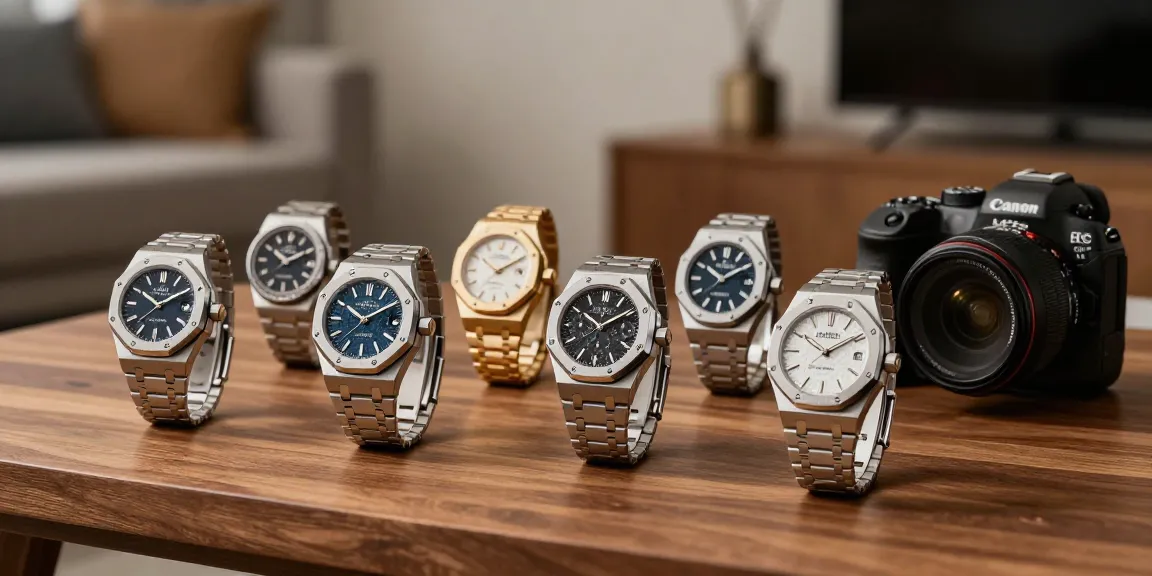
The Evolution of Replica Watches: A Historical Perspective
Replica watches have captivated enthusiasts and collectors alike for decades. Their journey from simple imitations to sophisticated timepieces is a testament to the ingenuity and demand within the luxury watch market. Understanding this evolution offers insights into the craftsmanship that goes into creating today's high-quality replicas, especially in the realm of replica watches. In this article, we will explore the origins, milestones, and how consumer preferences have shaped the trends in this fascinating industry.
Understanding the Origins of Replica Watches
The genesis of replica watches can be traced back to the mid-20th century when the luxury watch market saw an influx of high-demand models. Early replicas were crude copies, often lacking in quality and precision, targeting consumers who desired a luxury watch without the hefty price tag. These original replicas often utilized lower-quality materials and movements, leading to unreliable performance.
Milestones in Replica Watch Development
As technology advanced, so did the quality of replica watches. The late 1970s and 1980s marked a significant turning point with the introduction of quartz movements, which allowed replicas to keep accurate time at a fraction of the cost. By the 1990s, manufacturers began adopting better materials, such as stainless steel and sapphire crystal, leading to more durable and visually appealing options.
The 2000s ushered in the era of super clone watches—highly sophisticated replicas that closely mimic the original luxury timepieces in both aesthetics and function. These watches often feature genuine Swiss movements and are crafted from high-grade materials, making them indistinguishable from their authentic counterparts to the untrained eye.
How Consumer Demand Shaped Replica Trends
Today's consumers are more informed and discerning than ever, demanding quality that reflects their personal style and values. This shift has led manufacturers to focus on creating replicas that not only look like the originals but also exhibit the same level of functionality and craftsmanship. Marketing strategies now emphasize transparency about the materials and processes used in creating these watches, allowing buyers to make informed choices.
Current Landscape of Replica Watches in 2026
As we navigate through 2026, the replica watch market has experienced significant changes influenced by technology, consumer behavior, and industry standards. The landscape is increasingly competitive, with several trends shaping the current offerings. A focus on sustainability, ethical sourcing, and enhanced customer experiences are top priorities among leading manufacturers.
Top Trends in the Replica Watch Market
- Sustainability: With a growing emphasis on eco-friendliness, many brands are now sourcing materials responsibly and employing sustainable manufacturing processes.
- Smart Technology: Integration of smart features into replica watches is becoming more common, offering consumers connectivity and functionality alongside classic design.
- Customization: Offering personalized options in design and functionality appeals greatly to today's consumers seeking uniqueness.
Quality Features: What to Look For in a Replica Watch
When purchasing a replica watch, several key features must be evaluated to ensure you are investing in a quality timepiece. Look for:
- Materials: High-quality stainless steel, sapphire glass, and durable ceramic are indicators of a superior replica.
- Movement: Swiss movements or high-end clones are crucial for reliable performance.
- Attention to Detail: Engravings, font styles, and overall finishing should closely resemble the original watch.
Comparing Replica Watches and Authentic Timepieces
The debate between replica watches and authentic timepieces continues, with many enthusiasts weighing the pros and cons of each. While authentic luxury watches often hold their value and carry a prestigious brand name, high-quality replicas offer similar aesthetics and functionality at a fraction of the cost. Furthermore, the risk of damage or loss with an expensive watch can deter buyers from investing in genuine timepieces.
Key Differences: Super Clones vs. Standard Replicas
Understanding the distinction between super clones and standard replicas is vital for prospective buyers. Super clones are engineered to replicate every aspect of the original watch, including materials, movements, and craftsmanship. In contrast, standard replicas may compromise on quality in various areas, making them less desirable for serious collectors.
Defining Super Clone Quality Standards
Super clone watches are held to stringent quality standards, ensuring they are indistinguishable from the originals. This includes accurate weight, dimensions, and detailed engravings. By adhering to these strict standards, manufacturers can offer a product that resonates with the luxury watch ethos.
Materials and Movements: The Heart of Craftsmanship
At the core of any super clone is its movement. Most reputable brands use Swiss-made movements or clones, ensuring precision timekeeping. High-quality materials, such as 904L stainless steel, are standard in these watches, making them robust and visually appealing.
Performance and Longevity: What Sets Super Clones Apart
Super clones are designed for durability and performance, with the aim of providing a long-lasting alternative to authentic models. This focus on longevity is often achieved through rigorous testing and quality control processes, ensuring that the watch can withstand everyday wear without compromising on appearance.
Choosing the Right Replica Watch for You
Selecting the right replica watch involves considering personal style, budget, and intended use. While some individuals may prefer bold, statement pieces, others might opt for refined, understated designs. Understanding your preferences will guide you to make a purchase that aligns with your lifestyle.
Evaluating Design Preferences and Usage Scenarios
Think about where and how you plan to wear your watch. A sports watch may be better suited for active individuals, while a classic dress watch might appeal more to formal events. Additionally, consider color schemes and materials that best match your wardrobe.
Top Recommendations for 2026 Replica Watches
As the replica watch market evolves, here are some top recommendations for 2026:
- Audemars Piguet Royal Oak: A timeless icon known for its distinctive design.
- Rolex GMT-Master II: Perfect for travelers and adventurers.
- Panerai Luminor: Offers a unique aesthetic with robust performance.
Common Buyer Mistakes to Avoid
When purchasing a replica watch, beware of the following pitfalls:
- Overlooking Quality: Always prioritize quality over price—cheap replicas may not offer the longevity or appearance that higher-quality models do.
- Ignoring Brand Reputation: Opt for reputable dealers who specialize in super clones to ensure product authenticity and customer service.
- Neglecting Aftercare: Remember that maintaining your watch is essential for longevity; invest in proper care and servicing.
Future Predictions: The Next Decade of Replica Watches
As we look towards the next decade, several trends are expected to shape the future of replica watches. Emerging technologies will likely play a significant role in manufacturing advancements, enhancing both the quality and consumer experience.
Emerging Technologies in Replica Watch Manufacturing
With advancements in 3D printing and automated manufacturing processes, replicas will become increasingly precise and affordable. These technologies can facilitate the production of intricate designs and limited editions, appealing to a broader audience of collectors and enthusiasts.
Market Dynamics and Consumer Preferences by 2030
By 2030, consumer preferences are expected to shift towards more ethical and sustainable practices. Brands that prioritize transparency and responsible sourcing will likely gain a competitive advantage. The market may also see the rise of direct-to-consumer sales, allowing brands to connect more intimately with their customers.
How Sustainability Will Impact Replica Watch Production
As awareness of environmental issues grows, replica watch manufacturers will be compelled to adopt more sustainable practices. This could include using recycled materials and reducing carbon footprints in production processes, thereby appealing to eco-conscious consumers.
What are the best tips for buying replica watches?
When considering a purchase, research thoroughly about the brand's reputation, materials used, and customer reviews. Always compare options to ensure you find the best fit for your style and budget.
Are super clone watches worth the investment?
Yes, super clone watches offer an excellent combination of affordability and quality, making them a worthwhile investment for enthusiasts looking for luxury without the exorbitant price tag.
How do I identify a high-quality replica watch?
Look for signs such as precise weight, high-quality materials, and detailed craftsmanship. High-quality replicas will closely mirror the original in both appearance and performance.
What are popular brands in the replica watch market?
Brands like Rolex, Audemars Piguet, and Omega have a significant presence in the replica market, often featuring prominently in collector discussions.
Is it legal to buy replica watches?
The legality of purchasing replica watches varies by jurisdiction. Generally, owning replicas is legal, but selling them as genuine can lead to legal issues. Always research your local laws to stay compliant.